

Waste clearance on Edgware High Street top local tips
Posted on 30/06/2026

If you are trying to clear rubbish, old furniture, builder's debris, or just a stubborn pile that has been growing by the week, waste clearance on Edgware High Street can be surprisingly straightforward once you know the local rhythm. The main thing is not to rush it. Edgware High Street is busy, practical, and a bit unforgiving if you turn up unprepared. A good clearance plan saves time, avoids parking headaches, and keeps you on the right side of local expectations.
This guide pulls together the sort of local tips people actually use: how to plan a clearance, what to ask before booking, how to reduce costs without cutting corners, and how to keep disposal tidy and compliant. We will also look at the common traps people fall into, plus a few small but useful Edgware-specific observations that make the whole job easier. Honestly, it's the little things that tend to matter most.
Why Waste clearance on Edgware High Street top local tips Matters
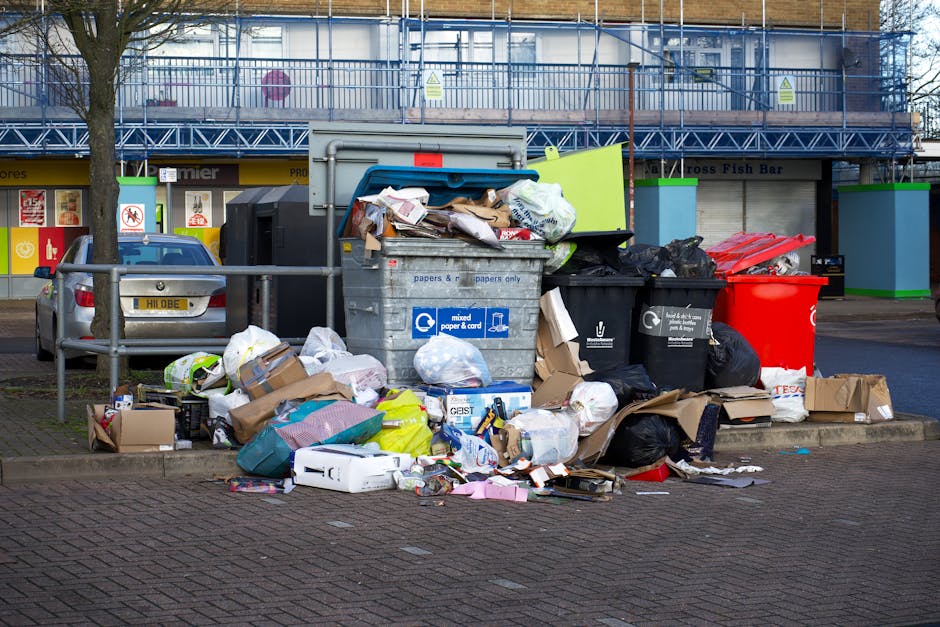
Edgware High Street is not the sort of place where waste can just be left to sit and sort itself out. Footfall, nearby businesses, flats above shops, and limited loading space all mean that poor planning quickly becomes visible. A single awkward skip, a blocked pavement, or a pile of mixed rubbish outside at the wrong time can create avoidable stress. To be fair, most people only learn that once they've had to move a heavy sofa through a narrow entrance while a delivery van waits behind them.
The reason local tips matter is simple: the street has its own pace. Morning traffic can build early, parking is tighter than people expect, and access is often more of a challenge than the waste itself. If you know how to schedule collection, separate items, and prepare the load, the whole process becomes much smoother. That is especially true for flats, shops, offices, and small refurb jobs where time and space are both limited.
There is also a trust angle. Responsible waste clearance is not just about getting rid of things; it is about choosing a route that makes sense for reuse, recycling, and safe handling. If you are clearing a property near the High Street, or anywhere nearby, the difference between a rushed job and a well-managed one can be night and day.
A local's guide to life in Edgware gives helpful context if you want a broader feel for how daily life and local routines shape practical decisions like this. It sounds small, but it helps.
How Waste clearance on Edgware High Street top local tips Works
At its core, waste clearance is a logistics job. You identify what needs removing, decide whether it can be reused or recycled, choose the right collection method, and make sure access is safe and efficient. On a busy street, that usually means more planning and less guesswork.
Most clearances follow a fairly simple pattern:
- you list the items or waste streams
- you decide whether anything is reusable, sellable, or donation-worthy
- you separate hazardous or specialist items from general waste
- you book a collection or arrange a clearance window
- you prepare access, parking, and lifting routes
- the waste is removed and taken for sorting, recycling, or disposal
That may sound basic, but on Edgware High Street the details are doing a lot of the heavy lifting. Where will the vehicle stop? Is there enough room for a trolley? Can items be carried through a rear entrance instead of the front? Is the waste mixed, or does it need to be split into furniture, metal, garden waste, and rubble? These small choices affect speed, cost, and the overall smoothness of the job.
If you are dealing with mixed household waste or a one-off clear-out, waste clearance services in Edgware are usually the most flexible place to start. For smaller jobs, rubbish collection in Edgware can be a neat fit when you already have the items bagged, sorted, and ready to go.
One practical note: the more clearly you describe the waste upfront, the fewer surprises there are later. That is true whether you are clearing a flat, a shop storeroom, or the back corner of a property that has turned into an accidental archive.
Key Benefits and Practical Advantages
A well-run clearance does more than remove clutter. It gives you space to breathe, makes a property usable again, and reduces the odds of last-minute problems. On a street like Edgware High Street, that matters because space is always at a premium.
Here are the main benefits people usually notice first:
- Faster turnaround: A structured clearance can often be completed quicker than a DIY approach.
- Less physical strain: Heavy items like wardrobes, white goods, and office furniture are awkward for one person and risky without proper lifting technique.
- Better recycling outcomes: Sorted items are easier to direct towards reuse or recycling routes.
- Cleaner presentation: Important for landlords, letting agents, shop owners, and anyone preparing a property for viewings or handover.
- Lower stress: Simple, but real. When the schedule and access are sorted, the job stops hanging over you.
If you are renovating, moving, or between tenants, the practical gain is often bigger than people expect. A cleared room photographs better, smells fresher, and feels easier to work in. That may sound obvious, but plenty of projects stall because rubbish keeps getting in the way. A pile of broken shelves is never just a pile of broken shelves; it becomes a delay, then a nuisance, then somehow the thing everyone keeps stepping around.
For larger household jobs, house clearance in Edgware is useful when the goal is to clear multiple rooms efficiently. If the task is more targeted, furniture disposal in Edgware can help when the main issue is bulky single items rather than a full property.
Who This Is For and When It Makes Sense
Waste clearance on or near Edgware High Street makes sense for a wide range of people. It is not only for major renovations or big moves. In fact, some of the most useful clearances are the small, practical ones that happen between all the life admin.
This tends to be relevant if you are:
- moving out of a flat above a shop
- clearing a retail back room or store cupboard
- refreshing an office, clinic, or work unit
- preparing a rental property for new occupants
- dealing with inherited belongings
- removing old fixtures after a refurb
- getting rid of garden cuttings from a nearby property
- emptying a loft, garage, or basement that has become packed over time
Sometimes the right moment is obvious. Other times it creeps up. You open a cupboard and realise it is full of broken monitors, half-used paint tins, and a chair with one leg that nobody admits owning. That is usually the moment people decide to act.
If your project is linked to a move or a transaction, you may find the broader local context useful in real estate transactions in Edgware and your real estate investment guide for Edgware. Those pages are helpful when clearance is part of a bigger property plan.
Step-by-Step Guidance
If you want the process to go smoothly, keep it simple and work in a sensible order. Rushing is where people trip up. Literally, sometimes.
- Identify the waste categories. Separate general rubbish, bulky furniture, wood, garden waste, and anything that might need special handling.
- Decide what stays. Be strict here. If you are "maybe keeping it", it often becomes "definitely still here" six months later.
- Clear a route. Check doors, stairs, hallways, lifts, and access points. A 2-metre wardrobe is suddenly a problem if the landing bends awkwardly.
- Photograph or list the load. This helps with quotes and prevents misunderstandings.
- Choose the right service. Full clearance, furniture-only removal, rubbish collection, office clearance, loft clearance, or builders waste disposal all fit different needs.
- Prepare parking or loading access. On a busy road, this may be the most important part of the whole day.
- Confirm timing. Pick a window that avoids the busiest periods where possible.
- Keep paperwork and payment details ready. Small admin, big time saver.
When the waste includes heavier renovation debris or mixed construction material, it can be worth looking at builders waste disposal in Edgware. That route is usually better than trying to treat rubble and plasterboard like ordinary household rubbish. Different waste, different handling. Simple enough, but easy to overlook.
For office environments, the process is similar but with a few extra wrinkles: cable management, confidential paper, screens, desks, and the practical need to keep disruption low. office clearance in Edgware is worth considering when you need the space back fast and want the move-out to feel orderly instead of chaotic.
Expert Tips for Better Results
Top local tips are really just good habits adapted to a busy street. Nothing magical. But they make a proper difference.
- Book with access in mind, not just volume in mind. A small load can still be awkward if the lift is tiny or the pavement is tight.
- Break down bulky items where possible. Flat-pack furniture, dismantled bed frames, and removed shelves are easier to carry and often easier to load.
- Keep recyclable materials separate. Cardboard, metal, clean wood, and green waste are usually easier to manage when they are not mixed in with everything else.
- Use the quietest access route. Rear alleys, service entrances, or side doors can sometimes save a lot of hassle.
- Leave a little buffer time. Traffic, parking, and lift delays happen. They just do.
- Tell the whole story upfront. If there is a mattress, a broken appliance, and a bag of mixed rubbish, say so early. It avoids friction later.
One small local observation: Edgware High Street can feel straightforward until you are moving awkward items during a busy spell, and then the whole thing becomes a game of timing. Ten minutes can matter. A lot. That is why the best clearances are usually the ones planned with calm rather than optimism.
If sustainability matters to you, it is worth reading more about recycling and sustainability. Choosing a service with a sensible sorting process is often the easiest way to keep the clearance efficient and more responsible.

Common Mistakes to Avoid
Most clearance problems are avoidable. They come from missing one detail, or assuming that "it'll be fine" is an actual plan. It is not, usually.
- Leaving sorting until the last minute. If everything is thrown into one pile, the job takes longer and feels messier.
- Forgetting access constraints. Narrow stairs, no lift, low parking tolerance, and loading restrictions can change the whole setup.
- Mixing specialist waste with ordinary rubbish. Paint, batteries, electrical items, and certain construction materials may need separate handling.
- Not measuring bulky items. A sofa that "looked fine" in the room may become a staircase problem very quickly.
- Ignoring the time of day. Busy traffic can turn a simple removal into a frustrating wait.
- Choosing purely on price. Cheap can be false economy if the service is slow, poorly insured, or not clear about what is included.
Another mistake is overlooking the practical side of household clearances. People often focus on the obvious big items and forget the smaller bits: boxes in the loft, loose shelves, broken lamps, or a few bags in the hallway that somehow multiply. Little things become lots of things. That is how houses get cluttered in the first place.
For difficult loft jobs, loft clearance in Edgware can be a smarter choice than trying to wrestle everything down a ladder yourself. Back pain is not a badge of honour, let's face it.
Tools, Resources and Recommendations
You do not need specialist equipment for every clearance, but a few practical tools make things easier and safer. Think of this as the everyday kit that keeps the job moving.
- Strong gloves: Useful for sharp edges, dust, and awkward grips.
- Tape measure: Good for checking bulky furniture against doorways and stairs.
- Labels or marker pens: Handy for separating keep, donate, recycle, and remove piles.
- Reusable sacks or boxes: Better than weak carrier bags that split halfway down the stairs.
- Phone camera: Useful for recording item lists and sending accurate job details.
- Dust sheets: Helpful if you are removing items from a property you want to keep tidy.
In terms of service choice, it helps to start from the job type rather than the item type. If you are clearing a property after a long tenancy, house clearance may suit you better than piecemeal waste removal. If the issue is a pile of mixed bags and general rubbish, rubbish collection is often enough. For awkward one-offs, furniture disposal can be the neatest route.
You may also want to review the full services overview before deciding. It helps match the task to the service, which sounds obvious, but people often choose the wrong thing simply because they were in a hurry.
Law, Compliance, Standards, or Best Practice
Waste clearance in the UK should be handled carefully and responsibly. The details can vary by waste type and situation, so the safest approach is to follow accepted best practice rather than guessing. You do not need to become a compliance expert, but you should know the basics.
Good practice usually means:
- using a reputable operator that can explain where waste goes
- keeping hazardous and electrical items separate where needed
- avoiding fly-tipping or leaving items in unsuitable places
- being clear about any restricted access or building rules
- handling items safely to reduce the risk of damage or injury
If you are clearing a property that involves more than simple household junk, take extra care with materials that may need special handling. That can include construction debris, old appliances, and mixed commercial waste. It's not glamorous, but compliance is one of those things that only becomes interesting once it goes wrong.
For reassurance around safe working practices and sensible handling, you may find insurance and safety information useful. And if you want to understand how the business is run more broadly, about us can help build trust before you book.
Terms and conditions and privacy policy are also worth checking if you are arranging a service and want to understand the practical arrangements around bookings, data, and responsibilities. If payments are involved, payment and security is another sensible page to review. No drama, just good due diligence.
Options, Methods, or Comparison Table
Choosing the right method depends on the type of waste, the amount involved, and how quickly you need it gone. Here is a simple comparison to make the decision clearer.
| Method | Best for | Strengths | Watch-outs |
|---|---|---|---|
| General rubbish collection | Bagged waste, small mixed loads, quick tidy-ups | Simple, flexible, convenient | Less ideal for bulky or specialist items |
| Full waste clearance | Larger clear-outs, mixed room contents, property emptying | Comprehensive, time-saving | Needs better planning and access checks |
| Furniture disposal | Sofas, tables, wardrobes, beds | Good for bulky items, reduces lifting hassle | May need dismantling for tight access |
| Loft clearance | Stored household items, old boxes, seasonal clutter | Reclaims hidden space | Access can be awkward and dusty |
| Builders waste disposal | Refurbishment debris, rubble, mixed construction waste | Better suited to heavy, messy loads | Not the same as ordinary rubbish removal |
For a same-day or time-sensitive job near the station or along the High Street, it can also help to read the Edgware Station rubbish removal guide. It is especially useful if you are working around tight schedules and commuter traffic.
Case Study or Real-World Example
Here is a realistic example from the sort of situation people often face. A small ground-floor flat just off Edgware High Street needs to be cleared before a new tenancy starts. The occupier has already moved out, but a sofa, two bookcases, a dismantled desk, and six black bags are still in place. Nothing dramatic. Just enough to create pressure.
The problem is access. The front entrance is close to the road, parking is limited, and a delivery van tends to stop nearby during the morning rush. Rather than trying to clear everything in a vague two-hour window, the smarter approach is to:
- photograph the items and note approximate sizes
- separate the furniture from the mixed rubbish
- check whether anything is still usable or recyclable
- choose an earlier time slot with better loading access
- keep the route from flat to vehicle clear before arrival
That turns a stressful little job into a manageable one. The items are gone, the flat is clean, and the landlord can move on with cleaning and marketing. Nothing flashy. Just efficient.
And that is often what local waste clearance is really about. Not drama. Not big speeches. Just a calm, well-run process that respects time and space.
Practical Checklist
Use this checklist before you book or carry anything downstairs:
- Have I separated keep, donate, recycle, and remove piles?
- Do I know roughly how much waste there is?
- Have I identified any bulky, heavy, or specialist items?
- Is access clear through doors, stairs, lifts, and hallways?
- Have I thought about parking or loading space near the property?
- Do I need a specific clearance type, such as house, office, loft, garden, or builders waste?
- Have I taken photos to help explain the job clearly?
- Am I happy with the timing and any preparation needed before collection?
- Have I checked basic terms, safety information, and payment details if relevant?
- Is there anything I should keep aside for reuse or personal storage before the team arrives?
If the answer to a few of those is no, no worries. Better to pause for ten minutes than to create a bigger job later. That tiny bit of preparation often saves the most time.
Get a free quote today and see how much you can save.
Conclusion
Waste clearance on Edgware High Street is easiest when you treat it like a local logistics task, not just a pile of things to throw away. Plan access. Separate the waste. Match the service to the job. Keep an eye on timing. Those four habits alone solve a surprising number of problems.
If you are dealing with a flat, shop, office, loft, or renovation site near the High Street, the best result usually comes from clear communication and a bit of common sense. Nothing fancy. Just a careful, well-paced approach that respects the street, the property, and your own time.
And if today feels like one of those days where the clutter has won, that's fine. It happens. Start with one corner, one room, one bag. Momentum does the rest.
 Tipper Van - Junk Disposal and Waste Clearance Prices in Edgware, HA8
 Luton Van - Junk Disposal and Waste Clearance Prices in Edgware, HA8

