

What to know about last minute rubbish collection in Edgware
Posted on 08/10/2026
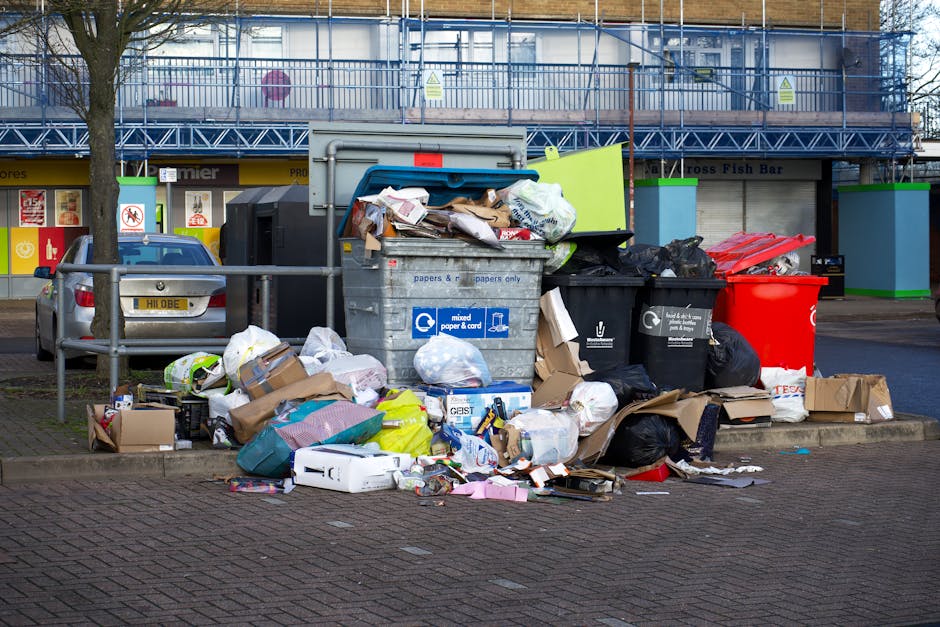
If you need rubbish gone quickly, the pressure can feel very real. Maybe a move has slipped, builders have finished earlier than expected, or you've got a pile of waste sitting in the hallway and guests are due by evening. Either way, what to know about last minute rubbish collection in Edgware comes down to one simple idea: fast help is useful, but only if it is organised properly.
In Edgware, last minute collections are often requested for household clear-outs, bulky items, garden waste, office clearances, and post-renovation mess. The best results usually come from being clear about what needs removing, how much there is, and when access is possible. Sounds obvious, but in a rush, people skip those steps. Then things get messy, and not in the fun, spring-cleaning way.
This guide breaks down how urgent rubbish removal works, what affects timing and cost, where the common traps are, and how to make a quick booking without regret later. If you want a practical, local overview, you're in the right place.
- Why last minute rubbish collection in Edgware matters
- How the service works
- Key benefits and practical advantages
- Who it is for
- Step-by-step guidance
- Expert tips for better results
- Common mistakes to avoid
- Tools, resources and recommendations
- Law, compliance, standards, or best practice
- Options, methods, or comparison table
- Case study or real-world example
- Practical checklist
- Conclusion
- Frequently asked questions
Why What to know about last minute rubbish collection in Edgware Matters
Last minute rubbish collection is not just about convenience. It can protect a moving timeline, keep a property presentable, and stop waste from building up into a bigger problem. In Edgware, where homes, flats, shops, and small offices often sit close together, delay can quickly become visible to neighbours, customers, or landlords. Nobody wants a skip-like pile of broken furniture outside the front door for three days if it can be avoided.
It matters because urgent waste removal often happens at the moment when other things are already demanding attention. You might be dealing with keys, tradespeople, end-of-tenancy checks, or a family situation that has taken more energy than expected. A quick collection helps you reset the space so you can move on. That is the real value.
There is also a practical side. Waste left too long can create access issues, trip hazards, odours, or complaints. In some cases, it can attract pests or make cleaning work harder. So while the phrase "last minute" suggests speed, the job still needs care. Rush the wrong bits, and you just move the problem from one corner to another.
Edgware is busy, and timing matters. A collection that fits around school runs, main road traffic, parking restrictions, and building access can make a huge difference. To be fair, that local bit is often what separates a smooth pickup from a frustrating one.
Expert summary: The best urgent rubbish collection is not just fast. It is prepared, clearly quoted, and suited to your exact waste type, access, and timeframe.
How What to know about last minute rubbish collection in Edgware Works
Most same-day or next-day rubbish collections follow a fairly simple process. You ask for a pickup, describe the waste, confirm the address and access details, and get a collection slot. If the provider can accommodate the job, they arrive, load the waste, and remove it for disposal or recycling. Clean, quick, done. In theory, anyway.
The part that catches people out is the detail. "A few bags" and "some furniture" can mean very different things to different people. A good service will usually want to know:
- the type of rubbish involved
- rough volume or number of items
- whether the waste is inside or outside
- how easy it is to park or access the property
- any heavy, awkward, or fragile items
- whether you need a morning, afternoon, or tight-time slot
That information helps the team decide what vehicle, staff, and time are needed. It also helps reduce surprises on arrival, which is exactly what you want if you are trying to stay calm and keep moving.
In practical terms, urgent collections can suit everything from one-off furniture removal to full property clearances. If you are comparing services, look closely at what is included. Some cover lifting from inside the property, while others expect the waste to be brought outside. Some charge by load size, others by item type. The wording matters more than most people realise.
You will also notice that the best providers tend to ask more questions, not fewer. That is usually a good sign. It means they are trying to estimate accurately, not just sell quickly.
Key Benefits and Practical Advantages
There are several good reasons people choose a rapid rubbish collection rather than leaving waste for another day. The benefits are straightforward, but each one has a real-world payoff.
- Speed: The most obvious advantage. Waste is removed quickly, sometimes the same day.
- Less stress: You are not stuck staring at a growing pile while trying to manage everything else.
- More space: Clear rooms, clear hallways, and clear gardens are easier to use and easier to clean.
- Better presentation: Helpful for rentals, sales, business premises, or visiting family.
- Safer access: Reduces trip hazards and blocked walkways.
- Flexible response: Useful when plans change at short notice. Life does that sometimes.
There is also a subtle but important advantage: decision fatigue drops. Once the waste is gone, the next steps become clearer. You can finish decorating, hand the keys back, or get back to normal without that nagging sense that something is unfinished. Small relief, big difference.
For many people, the real win is momentum. One quick collection can unlock three or four other tasks that were waiting on it. That is why a rushed rubbish job often turns into a very sensible decision.
Who This Is For and When It Makes Sense
Last minute rubbish collection in Edgware makes sense for a wide mix of people. It is not just for emergencies. In fact, some of the most common requests are simply "I forgot this needed dealing with until now." Happens all the time.
This type of service is often useful for:
- Homeowners clearing clutter before visitors, builders, or a sale
- Tenants who need to leave a property tidy before moving out
- Landlords and letting agents preparing a property between occupiers
- Small businesses needing office furniture or stock waste removed quickly
- Tradespeople finishing a job and needing leftover materials cleared
- Families dealing with a time-sensitive clear-out after a change in circumstances
It also makes sense when waste is too much for a standard bin collection or when waiting for a council round is not practical. If you are dealing with bulky items, mixed rubbish, or awkward access, a dedicated collection can be easier than trying to improvise. Let's face it, nobody wants to wrestle a broken wardrobe into a small hatchback at 8:30 in the morning.
The service is especially handy if your schedule is already stretched. If you only have one afternoon free, or the weather is turning, or a handover deadline has suddenly moved up, a quick collection can stop a small headache from becoming a full-on weekend project.
Step-by-Step Guidance
If you want a smooth urgent collection, it helps to follow a simple order. The speed matters, yes, but clarity matters more than speed alone.
- List what needs removing. Write down items and bag counts. Be specific. "Old sofa, two chairs, six bin bags, broken bedside table" is much better than "general stuff."
- Check access. Think about stairs, lifts, parking, narrow paths, permit zones, or any restrictions. A collection can be quick and still be delayed if the truck cannot stop close enough.
- Separate special items. If anything is unusually heavy, sharp, electrical, or potentially hazardous, flag it early. Do not assume every waste type is treated the same.
- Ask how the quote is built. Is it based on volume, item count, labour, or load size? Understanding the method helps you avoid awkward surprises.
- Confirm the time window. If you need a collection between school pickup and a plumber arrival, say so clearly. Tight timing needs honest scheduling.
- Prepare the waste if asked. Move items to one place if practical. This can speed things up and keep costs under control.
- Keep the route clear. Hallway, stairwell, front path, gate, driveway - tidy access saves time.
If you are arranging collection at short notice, a photo can help. A few clear pictures often explain more than a long message and make the estimate more accurate. That little bit of prep saves a surprising amount of back-and-forth.
And if something changes between booking and pickup, tell the provider as soon as possible. Extra items are not a disaster, but they do need space and staff planning.
Expert Tips for Better Results
Here is where a bit of experience helps. The fastest jobs are not always the ones that were booked fastest. They are usually the ones that were described well.
Tip 1: Be honest about volume. Underestimating waste is the classic mistake. A "small amount" can look very different on the day once bags are stacked in the corner. If you are unsure, round up slightly. It is safer than being caught short.
Tip 2: Mention awkward access early. Narrow roads, permits, basement flats, locked gates, and no-lift buildings all affect the job. If you have ever tried to carry a wardrobe down three flights of stairs, you know why this matters.
Tip 3: Group similar items together. Keeping soft waste, wood, metal, and electrical items separated where possible makes loading simpler. It also helps with recycling decisions.
Tip 4: Ask what happens after collection. A trustworthy service should be clear about disposal and recycling practices. You do not need a lecture. Just a sensible explanation.
Tip 5: Build in a little breathing room. If you need the room cleared by lunchtime, try not to book for the exact minute the next appointment starts. A ten-minute buffer can save a lot of tension.
Tip 6: Keep communication short and clear. One message with the address, item list, access notes, and ideal time is usually better than five scattered texts. Simple wins.
In our experience, the smoothest urgent collections are the ones where the customer has thought about the actual obstacles, not just the waste itself. That is the difference between "please take this away" and "here is exactly what you need to know."

Common Mistakes to Avoid
When time is tight, people rush the decision and accidentally create a few avoidable problems. Nothing dramatic, just the sort of thing that adds cost or delays the job.
- Guessing the amount of waste badly. This can lead to an incorrect vehicle size or a revised quote.
- Not checking access. A truck may arrive, then struggle with parking or property entry.
- Mixing in prohibited or specialist items. Some waste types need separate handling, and not every provider can remove everything.
- Leaving everything until the last minute. Ironically, that is how "last minute" gets even more stressful.
- Assuming all quotes are the same. They usually are not. Compare what is included.
- Forgetting to ask about labour. Some services include lifting from inside; others do not.
- Skipping the confirmation message. A quick check of time, address, and scope can avoid a wasted visit.
One small but common issue is placing waste in a location that looks easy but is actually awkward, like behind tight garden fencing or in a loft with a narrow staircase. It might seem fine at first glance. Then the team turns up and reality, as it often does, becomes a bit more complicated.
Another mistake is waiting for the perfect moment to sort everything. If the waste is already creating pressure, the perfect moment has probably passed. Better to act on the useful moment.
Tools, Resources and Recommendations
You do not need specialist equipment to arrange a quick collection, but a few simple tools make the process easier and more accurate.
- Phone camera: Take clear photos of the waste from a couple of angles.
- Notes app or checklist: Jot down items, dimensions, and any special access details.
- Tape measure: Handy for estimating large furniture or stacked waste.
- Bin bags or boxes: Useful for loose items that might otherwise scatter during loading.
- Doorway or corridor measurements: Worth checking if large items need to pass through tight spaces.
For local reading, it can also help to look at related service pages if your waste is specific. For example, if you are clearing a room full of old seating or storage, furniture disposal in Edgware may be more relevant than a general collection. If you are dealing with a renovation site, builders waste disposal in Edgware is the better fit. And for larger clean-outs, waste clearance in Edgware gives a wider overview of what a full service can cover.
If you want to understand how a broader collection service is usually presented, the services overview page is a useful starting point. For cost expectations, the pricing and quotes information can help you think through budget and scope before you book.
Those pages are not there to overload you. They simply help you match the job to the right service. That saves time, and sometimes that is the whole battle.
Law, Compliance, Standards, or Best Practice
Waste collection in the UK should always be handled responsibly. You do not need to become a compliance expert, but there are a few sensible expectations worth keeping in mind.
First, the collector should dispose of waste properly and not leave it somewhere that creates an issue for you or your neighbours. Second, if the load contains items that need special handling, those items should be flagged before collection. Third, any provider you use should be able to explain, in plain language, how waste is managed after it is removed.
There are also practical safety points. Heavy lifting, sharp edges, broken glass, and awkward furniture can cause injuries if handled carelessly. If something feels risky, say so. It is far better to mention the problem than to pretend the sofa is "not that heavy" and then discover it absolutely is.
For customers, best practice is straightforward:
- describe the waste honestly
- do not hide specialist items in general rubbish
- keep access routes safe and clear
- ask for written confirmation where useful
- check what is included before agreeing to the booking
If sustainability matters to you, it is reasonable to ask how recyclable materials are separated. A responsible operator should be able to speak sensibly about recycling and reuse without making a performance out of it. Our own recycling and sustainability information explains the sort of approach many customers prefer to see.
For wider company standards, you can also review the pages on insurance and safety and about us. Those details matter when you are trusting someone to handle your property, your time, and your waste.
Options, Methods, or Comparison Table
Not every rubbish problem needs the same solution. The right choice depends on speed, volume, item type, and how hands-on you want to be.
| Option | Best for | Pros | Trade-offs |
|---|---|---|---|
| Last minute rubbish collection | Urgent clear-outs, bulky items, time-sensitive jobs | Fast, flexible, minimal fuss | May cost more than booking ahead |
| Pre-planned rubbish collection | Jobs with flexible timing | More choice, easier scheduling | Not suitable if you need the space cleared today |
| Full waste clearance | Larger home, office, or property clearances | Handles more material in one go | Needs a clearer item list and more planning |
| Specialist item disposal | Furniture, builders waste, garden waste, or office items | Better match for the load type | May require more specific preparation |
For many Edgware customers, the decision comes down to how urgent the situation is. If the space needs to be usable today, a faster collection is usually worth it. If you have a bit of breathing room, you may get more flexibility by planning ahead. That said, life is life. Sometimes urgency wins.
If you are dealing with a localised issue near a station, high street, or busy residential road, it can help to read area-specific advice too. For example, the guide to same-day rubbish removal near Edgware Station is useful if access and timing are especially tight. Likewise, local tips for Edgware High Street can be handy where parking and loading are part of the puzzle.
Case Study or Real-World Example
A typical scenario goes like this. A family in Edgware is preparing a property for new tenants. The decorating work finished earlier than expected, but there is still a broken wardrobe, old mattresses, and a stack of black bags in the spare room. The handover is the next morning. Not ideal.
Instead of trying to do it all themselves, they send a short message with photos, access notes, and the latest possible collection time. The provider confirms a same-day slot, asks for a bit more detail on the furniture, and arrives with the right team size. The waste is loaded, the room is cleared, and the property is ready for cleaning that evening.
What made it work? Three things. The customer described the waste accurately, shared access information upfront, and booked as soon as they realised time was tight. No drama, no second trip, no guesswork.
Now compare that with the less helpful version: vague message, no mention of stairs, waste spread over three rooms, and a request for "just pop by whenever." That usually turns a simple collection into a longer conversation. We've all been there, at least once.
Another local example is a homeowner near a busy road who has a garden clearance to complete after a weekend of pruning and turf work. Bags of green waste, old planters, and a damaged bench need removing quickly before Monday morning. In that case, a dedicated collection avoids the hassle of waiting for another day and frees the driveway in time for school-run traffic. Small victory, but a real one.
Practical Checklist
Use this quick checklist before you book a last minute collection. It keeps the process calm and gives you a better chance of a clean, fast result.
- List every major item and the approximate number of bags
- Take clear photos of the waste
- Note stairs, lifts, gates, parking, or permit issues
- Decide whether items are inside or already outside
- Separate anything fragile, sharp, or potentially specialist
- Confirm your preferred collection window
- Ask what is included in the quote
- Check whether labour, loading, and disposal are covered
- Keep the route to the waste clear
- Save the booking confirmation or message thread
Quick rule of thumb: if a detail would matter to the people loading the waste, mention it before they arrive. That one habit prevents a lot of awkwardness.
Conclusion
When you are dealing with a tight deadline, what to know about last minute rubbish collection in Edgware is really about staying practical. Be clear about the waste, honest about access, and realistic about timing. That alone solves most of the common problems.
The best urgent collection is not just fast. It is the one that fits your actual situation without creating a second mess to sort out later. Whether you are clearing a flat, handling renovation debris, or just trying to reclaim some space before the day gets away from you, a well-planned quick collection can make the whole thing feel manageable again.
If you are comparing options, look for a service that communicates clearly, asks sensible questions, and treats the job as more than a rushed pickup. That is the difference between a stressful scramble and a proper solution. And honestly, that little bit of calm is worth a lot.
Get a free quote today and see how much you can save.
Sometimes the quickest way to get your week back is simply to clear the floor and start fresh.

 Tipper Van - Junk Disposal and Waste Clearance Prices in Edgware, HA8
 Luton Van - Junk Disposal and Waste Clearance Prices in Edgware, HA8

